Project Compliance
Solve a specific compliance need.
Environmental applicability, air permitting, HMIS / HMMP, RCRA, wastewater, stormwater, hazardous-material compliance, and sampling or monitoring.
Facility & equipment projects ↗
Based in the heart of Arizona’s Silicon Desert
Atlas Compliance Partners helps industrial facilities determine what applies, fix what matters, and build environmental, health and safety compliance programs their teams can actually operate.
Or email ACP directly: info@acp-ehs.com
Three ways to work with ACP
Start with a specific problem, recurring obligations, or a need for experienced EHS capacity.
Project Compliance
Environmental applicability, air permitting, HMIS / HMMP, RCRA, wastewater, stormwater, hazardous-material compliance, and sampling or monitoring.
Facility & equipment projects ↗Recurring Compliance
Annual and quarterly reporting, environmental sampling, permit compliance, regulatory calendars, chemical inventories, inspections, and periodic reviews.
ACP Compliance Partner Program ↗Supplemental EHS Support
Temporary coverage, environmental specialist support, reporting workload, expansions, compliance projects, corrective actions, and scheduled monthly or quarterly assistance.
Supplemental & fractional support ↗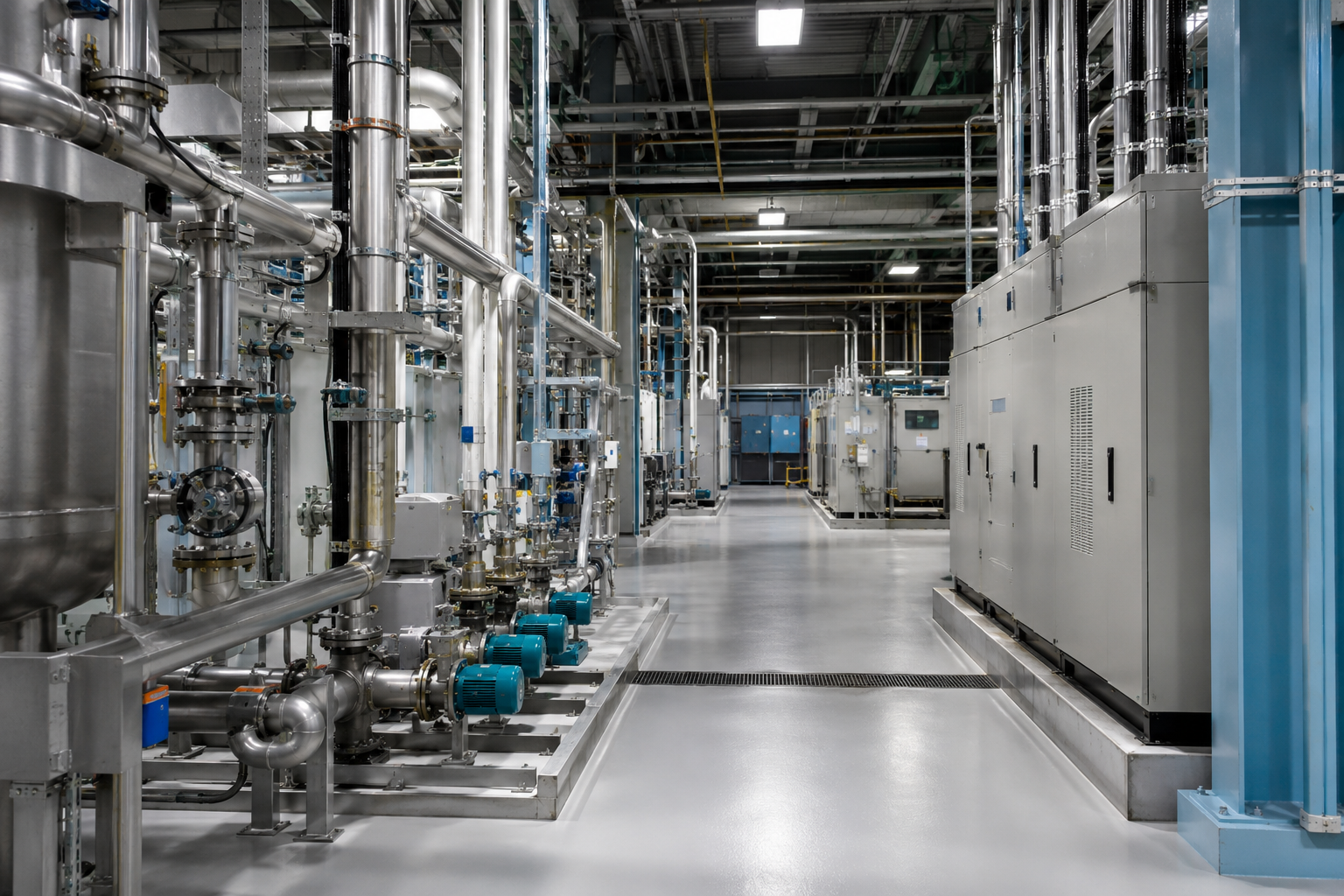
Process changes can affect waste, water, air, chemical reporting, and fire-code obligations at the same time.
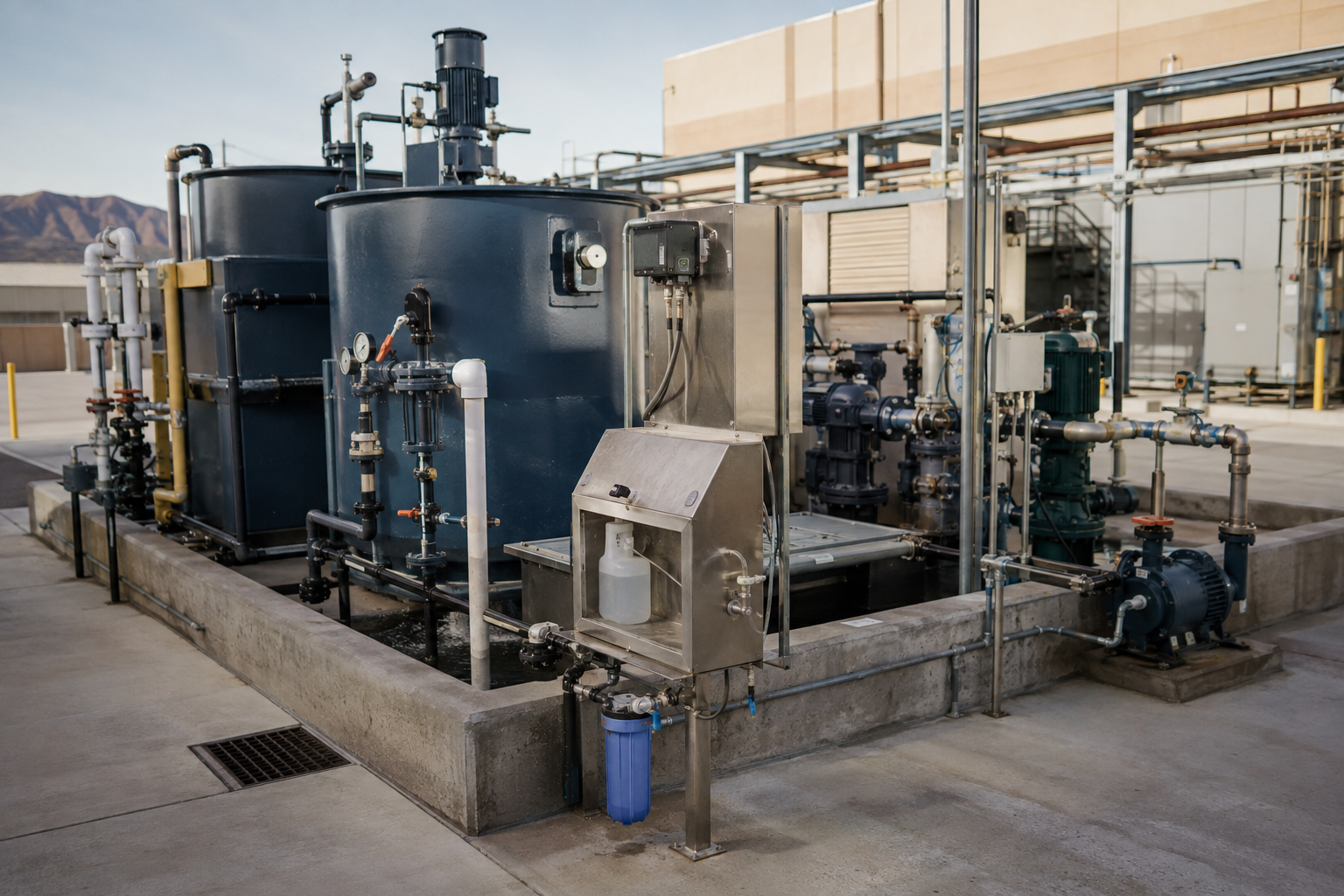
Sampling, permitting, treatment, reporting, and source investigations grounded in how the facility actually operates.
Core expertise
We translate fragmented permits, regulations, inventories, and site conditions into a clear compliance position and a manageable plan.
Technical determinations
One defensible chemical inventory supporting Tier II, TRI, fire code, Hazard Communication, and emergency planning.
↗Clear waste determinations, tank and container evaluations, and practical Subpart BB and CC programs that hold up in the field.
↗Industrial user permit support, sampling plans, self-monitoring reports, stormwater, SPCC, and source investigations.
↗Focused applicability determinations, permit reviews, emissions inventories, and compliance tracking without unnecessary complexity.
↗Program support
OSHA compliance audits, Hazard Communication, heat safety, lockout/tagout, confined space, and exposure-monitoring programs.
↗Maricopa County Rule P-7 applicability, annual surveys, plans, Task Force responses, and Transportation Coordinator support.
↗Experienced environmental capacity for staffing gaps, reporting workload, facility projects, and scheduled support.
↗Before operations begin
New facilities, equipment installations, and process changes can create overlapping environmental, hazardous-material, fire-code, and safety requirements. ACP helps identify what applies and establish a practical compliance path.
Explore facility and equipment project support ↗A project-specific deliverable
Applicable programs, required actions, permits and notifications, responsibilities, timing, and recommended next steps in one concise assessment.
For owners and referral partners
ACP works alongside facility owners, architects, engineers, contractors, and project teams on environmental applicability, HMIS / HMMP, hazardous-material inventories, air permitting, wastewater, RCRA, regulatory documentation, and owner compliance support.
Experienced environmental and EHS input that complements the project team’s design and construction responsibilities.
Industry depth
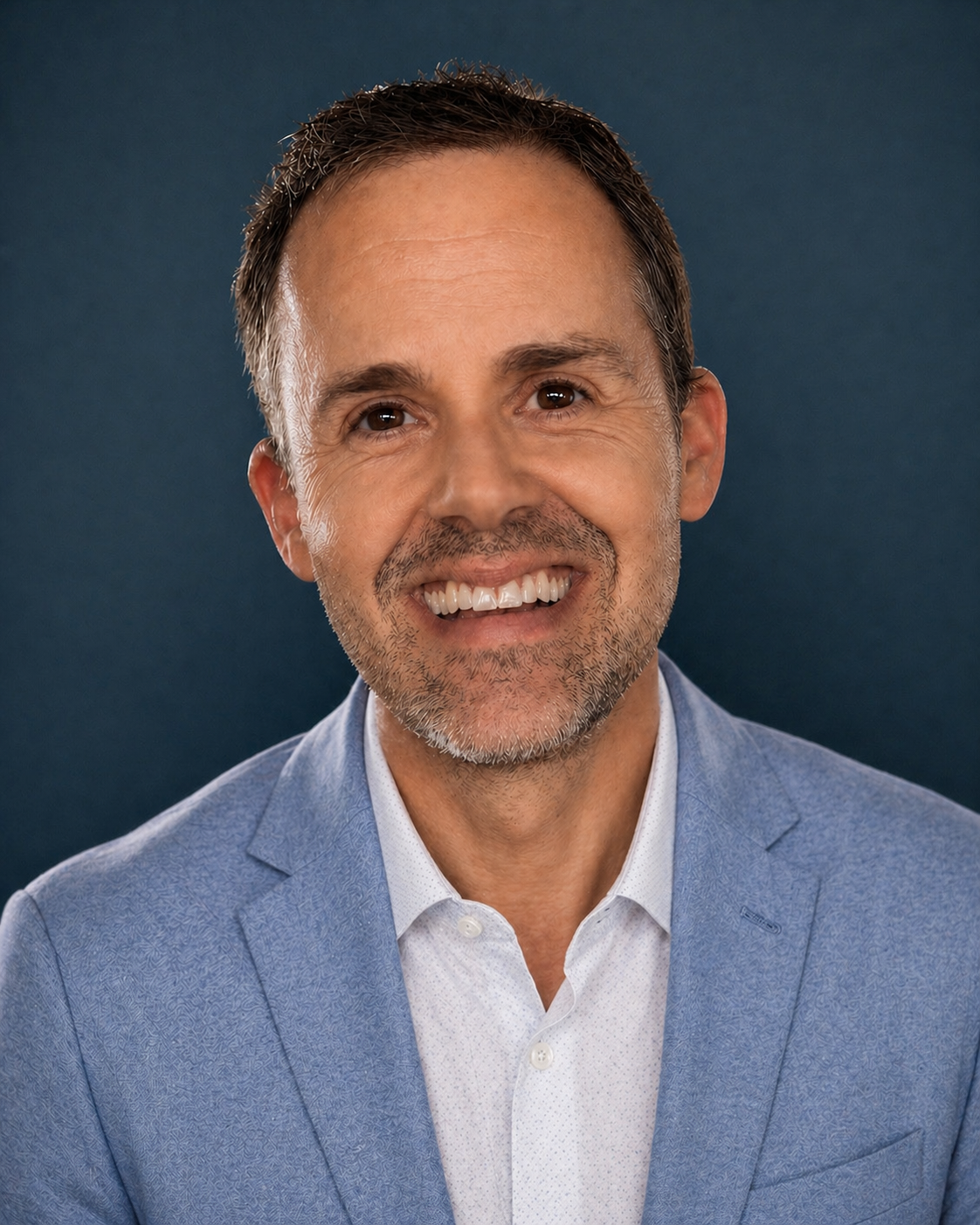
Richard Dockery brings 15 years of environmental compliance experience, including work supporting Fortune 100 semiconductor and aerospace organizations. The goal is not simply to identify requirements. It is to find a defensible way to reduce waste, avoid unnecessary spending, and make the program easier to operate.
Anonymized problem-solving examples
A large semiconductor facility was maintaining four separate chemical lists: one for Tier II, one for fire-code review, one tied to safety data sheet management, and one kept by the waste group. The numbers disagreed. I built a single verified inventory with reconciled quantities, unit conversions, and location data, then added the program-specific fields each report needed. One source, four outputs. The annual argument over which list was right stopped happening.
A new waste-collection system came with a corporate instruction to tag every regulated component. That became impractical inside a compact, enclosed lift station, where tags would be difficult to install, read, and maintain. The governing requirement, 40 CFR 265.1050(c), says the equipment must be marked so it can be readily distinguished, but it does not prescribe an individual hanging tag. EPA’s broader leak-detection and repair framework reinforces that reading: 40 CFR 63.1003(a) and 40 CFR 65.103(a) expressly say equipment identification does not require physical tagging and may use plans, logs, boundaries, or other appropriate methods. Leak tags under 40 CFR 265.1064(b)(1) still go on the affected component when a leak is found: the identification must be weatherproof and readily visible. We proposed a numbered equipment diagram posted on the cabinet and tied to the monitoring records. Implementation took days instead of weeks, and an inspector can now stand in front of the cabinet and locate any component with ease.
A wastewater result came back high enough to put the discharge permit at risk, and the first proposal on the table was new treatment equipment. Before anyone priced it, I worked through the process chemistry, sampling conditions, flow data, and discharge path. That narrowed the candidate sources to a short list and identified corrective actions the facility could take directly. The capital project remained an option instead of becoming the default answer.
The ACP approach
Start with the process, equipment, chemicals, waste, and actual work practices, not a generic checklist.
Connect the facts to the regulatory requirements and record a clear, defensible basis for the conclusion.
Prioritize the real risks, close the gaps, and leave the team with tools they can sustain.
Principal-level support
ACP gives industrial facilities practical, senior-level environmental compliance support without layers of unnecessary complexity.
Meet Richard Dockery ↗Field notes
Start with the situation
A brief description is fine. If you’re not sure which environmental or EHS requirements apply, just tell us what’s changing.
Or email info@acp-ehs.com